Understanding Radiant Floor Heating Costs
Understanding the factors influencing the cost of radiant floor heating systems helps in making informed decisions. This page explores the key elements affecting installation and operation expenses, providing detailed insights into pricing and related services.
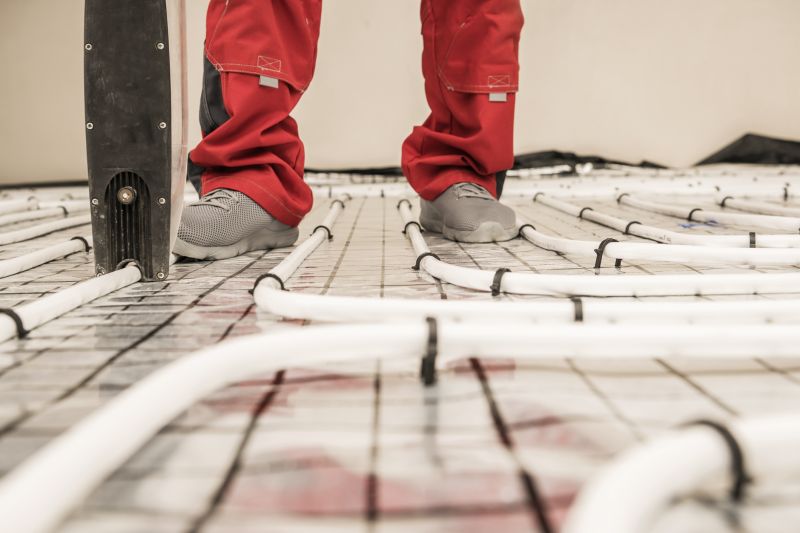
Different flooring materials impact installation complexity and costs, with concrete and tile generally requiring more extensive work.
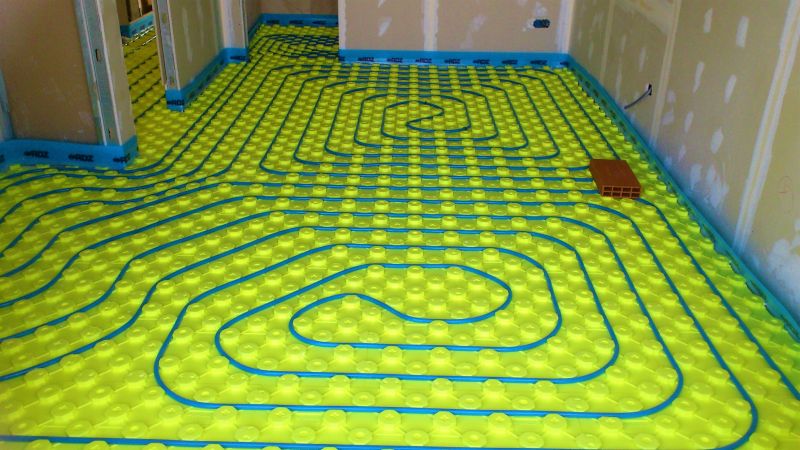
Larger areas or multiple zones increase material and labor costs, depending on the square footage.
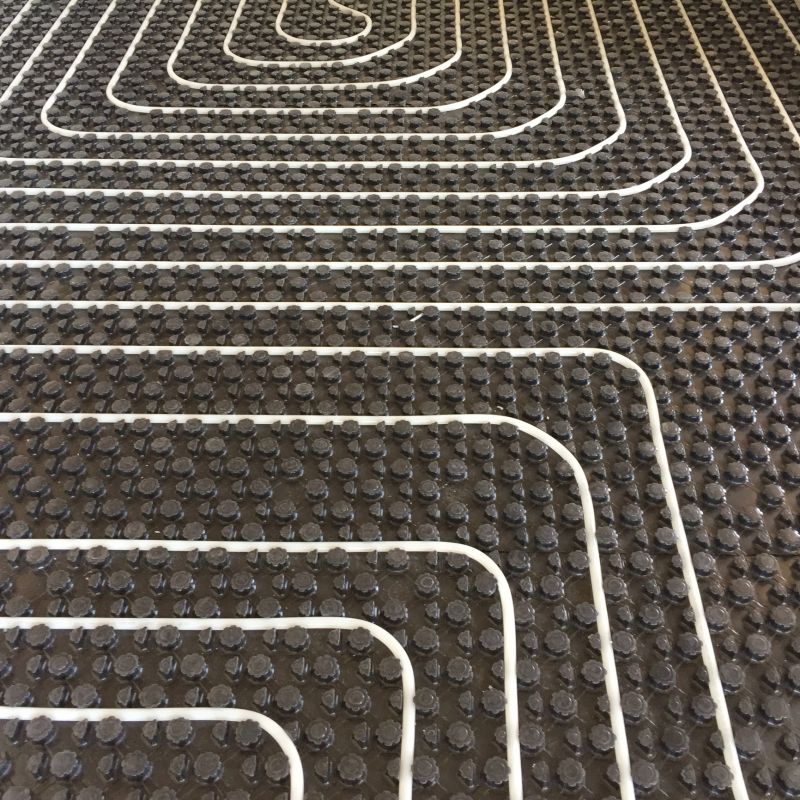
Electric systems tend to have higher upfront costs but lower installation complexity, while hydronic systems may involve higher initial investment.
| Factor | Details |
|---|---|
| System Type | Electric or hydronic systems influence overall cost significantly. |
| Flooring Material | Materials like tile or stone increase installation costs compared to carpet or laminate. |
| Room Size | Larger rooms require more materials and labor, raising total expenses. |
| Number of Zones | Multiple zones allow better control but add to the complexity and cost. |
| Insulation Quality | Proper insulation reduces operational costs but may increase initial expenses. |
| Labor Rates | Regional labor costs can vary, affecting overall pricing. |
| Preparation Work | Subfloor modifications or repairs can add to the total cost. |
| Maintenance Requirements | Systems with higher maintenance needs may incur additional long-term expenses. |
The initial investment in radiant floor heating varies based on system type, installation surface, and the size of the area. Electric systems generally have lower upfront costs but may result in higher operational expenses over time. Hydronic systems, while more costly initially, can offer energy savings for larger or multiple-zone applications. Installation complexity, flooring choices, and regional labor rates also influence the final price, making it essential to evaluate these factors thoroughly.
Operational costs depend on energy efficiency, insulation quality, and local energy prices. Properly installed systems with adequate insulation can significantly reduce monthly energy bills. Maintenance needs are typically minimal but should be considered in long-term budgeting, especially for hydronic systems requiring periodic fluid checks or component replacements.
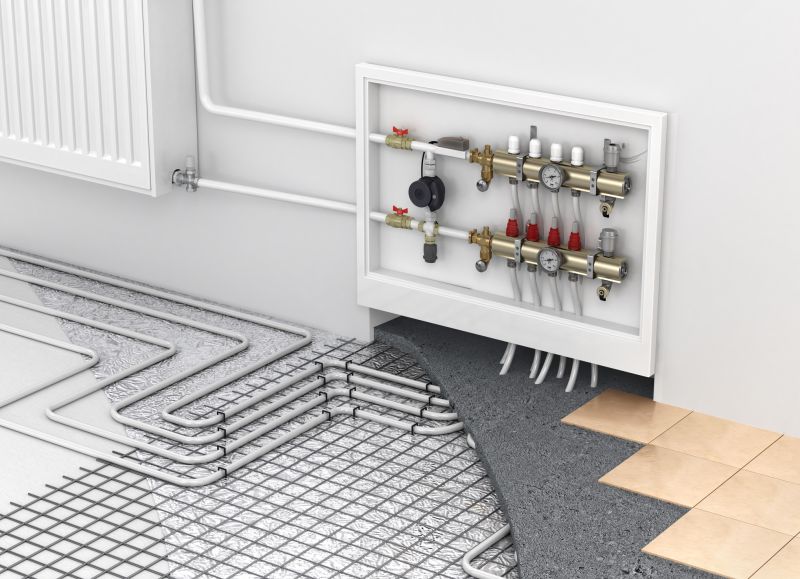
Advanced thermostats and zoning controls can optimize system efficiency and influence overall costs.
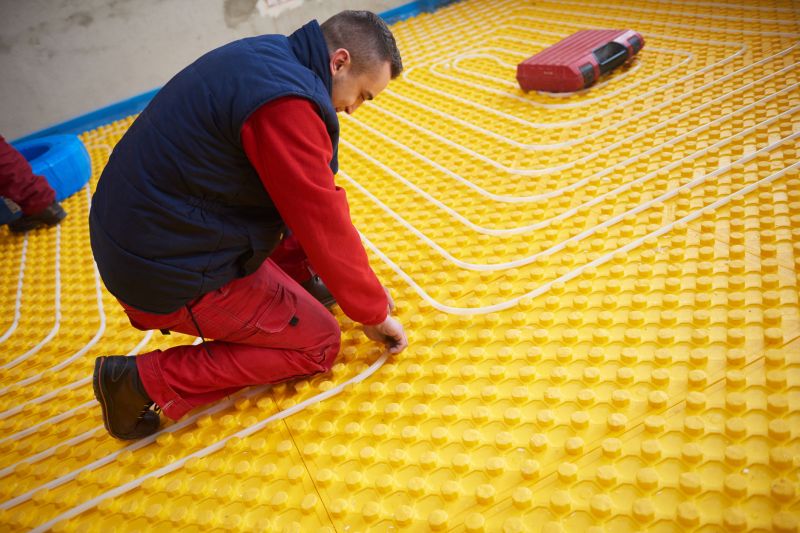
High-quality insulation reduces heat loss, lowering operational costs over time.
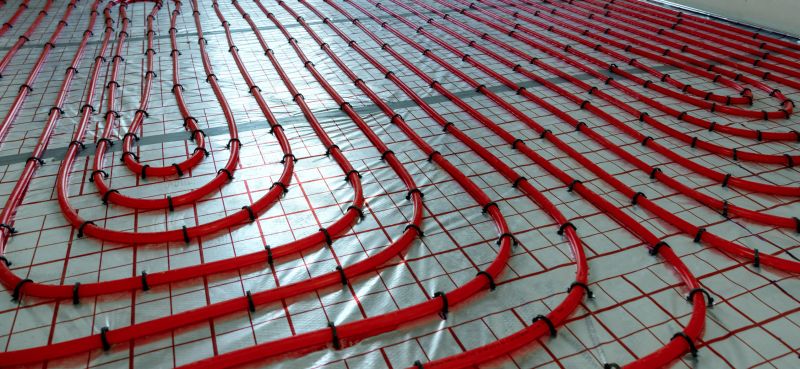
Proper installation of flooring over radiant heating ensures optimal performance and longevity.
| Service | Average Cost Range |
|---|---|
| Basic Electric Radiant Floor Heating Installation | $4,000 - $8,000 |
| Hydronic Radiant Floor Heating Installation | $8,000 - $15,000 |
| Thermostat and Control System Upgrade | $500 - $2,000 |
| Floor Preparation and Subfloor Repair | $1,000 - $3,000 |
| Insulation Installation | $1,000 - $2,500 |
| Floor Covering Installation (tile, stone) | $2,000 - $5,000 |
| Zone Control System Setup | $1,500 - $3,000 |
| System Maintenance and Inspection | $200 - $500 annually |
| Energy Efficiency Consultation | $300 - $700 |
| Emergency Repair Service | $300 - $1,000 |